For over long years, we have diligently conducted independent research and product testing. When you make a purchase through our links, we may earn a commission.
🚶♂️🏔️ Trekking vs Hiking: Which Adventure Is Right for You?

Created: 2 months ago

12 min Read
🚶♂️🏔️ Trekking vs Hiking: Which Adventure Is Right for You?
🚶♂️🏔️ Considering a wilderness adventure but unsure if you want to hike or trek? Discover the difference between the two outdoor activities and find which one suits your style. From novice to pro, we've got you covered. Start planning your next adventure now!
Introduction: Discovering the Difference Between Trekking and Hiking
If you're someone who loves outdoor activities, you may have been wondering what is the difference between trekking and hiking. While both activities involve walking on trails, there are some key differences between them.
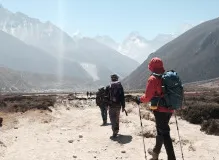
Hiking is usually a day trip, where people walk on well-defined trails, with minimal gear. Trekking, on the other hand, can last several days or even weeks, involves walking on more challenging terrain, and requires carrying more gear and supplies.
To illustrate the difference, let's look at this comparison chart:
| Trekking | Hiking |
|---|---|
| Long duration | Short duration |
| Challenging terrain | Well-defined trails |
| Heavier backpacks with more gear & supplies | Light backpack with bare essentials |
| Requires camping equipment | May not require camping equipment |
| Typically involves altitude gain and loss | May not involve altitude variations |
| Offers extensive and immersive experience in nature | Typically shorter trips, less immersive |
As you can see, while there are similarities between trekking and hiking, the key differences lie in the duration, terrain, gear required, and overall intensity of the activity. So, whether you're looking for a leisurely hiking experience or a more intense and immersive trekking adventure, understanding these differences can help you plan and prepare accordingly.
Reference Links:
Happy Trails! 🌲🚶
Understanding the Challenges: Exploring the Demands of Trekking 🏔️
Trekking is a thrilling experience that allows you to discover mesmerizing landscapes, explore new cultures, and challenge your limits. However, it's not an easy feat, and it demands careful preparation and endurance. In this blog, we'll explore the challenges that come with trekking and how to prepare for them.
Physical Demands
Trekking involves walking long distances carrying a backpack with all your essentials, often on rough terrains and through steep inclines. It requires a good level of physical fitness and stamina. To prepare your body for the trek, you should indulge in regular exercise, especially cardio and strength training, to strengthen your muscles and improve your endurance.
Altitude Sickness
. AMS is caused by the reduced air pressure and low oxygen levels found at high altitudes, and it can result in headaches, nausea, dizziness, and fatigue. To avoid altitude sickness, prepare yourself by gradually ascending to higher altitudes allowing your body to acclimatize. You can also consider taking AMS medication such as Acetazolamide.
Weather
Weather can be unpredictable and can change quickly in mountainous regions, making it challenging to trek. To prepare for weather conditions, you'll need to pack appropriate gear, including waterproof jackets, warm clothing, and sturdy hiking boots. You should also check the weather forecast before embarking on the trek.
In conclusion, trekking can be an exhilarating adventure full of challenges. To ensure you enjoy the experience, it's essential to prepare adequately and know the demands of the activity. By following the tips discussed above and doing thorough research, you'll have a better chance of successfully completing your trek. Start preparing today, and you'll be ready to conquer the mountains! 🌄
Reference Links:
- [Altitude Sickness: Symptoms and Prevention](
Deciding on the Destination: Selecting the Right Terrain for Hiking
Are you planning a hiking trip but unsure about which terrain to choose? Selecting the right terrain is crucial for a safe and enjoyable hiking experience. Let's have a brief look at the different terrains that you can explore:
| Terrain | Demands | Highlights | Suitable for Beginners? |
|---|---|---|---|
| Mountains | High | Majestic landscapes, lush forests, diverse wildlife | No, requires prior experience |
| Forests | Moderate | Unique flora, cool surroundings | Yes, but high physical fitness is needed |
| Coastal | Low | Scenic beaches, breathtaking ocean views | Yes, perfect for new hikers |
| Deserts | High | Otherworldly landscapes, stunning sunsets | No, demands extensive experience |
The choice of terrain also depends on your physical capabilities, interests, and geographical location. Therefore, it's essential to research the destination before making a decision.
Reference links:
- Learn the basics of hiking from the experts: - Check out some beautiful hiking trails across the world:
👍Happy Hiking!
The Equipment and Gear: Packing the Essentials for a Trekking Adventure
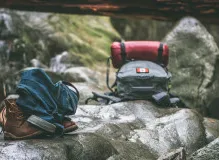
Are you planning a trekking adventure but confused about what to pack for it? Don't worry; we've got you covered. Proper planning and preparation can make or break your trekking experience. Therefore, it is essential to pack the right equipment and gear to ensure a successful and enjoyable trip.
Here's a comparison chart of the essential trekking gear and equipment:
| Essentials | Day Trek | Multi-Day Trek |
|---|---|---|
| Backpack | 20L - 35L | 50L - 70L |
| Water Bottle | 1L | 2L - 3L |
| Trekking Shoes | Comfortable and sturdy | High-ankle, waterproof, and anti-slip |
| Sleeping Bag | Not Required | Lightweight and compact |
| Tent | Not Required | Lightweight and waterproof |
| Headlamp | Optional | Mandatory |
| First Aid Kit | Basic Kit | Comprehensive Kit |
| Navigation Tools | Compass and Map | GPS device and Satellite Phone |
Always refer to a trekking gear checklist before packing your backpack. It will help you to pack efficiently and avoid unnecessary items. Also, don't forget to wear the trekking shoes before the trip to avoid blisters and ensure proper fittings.
Here are some reference links to know more about trekking essentials:
Keep in mind that trekking gear and equipment can vary depending on the destination and weather conditions. Therefore, research your trekking route before packing. Happy Trekking! 🌄🚶♀️
The Walking Poles Debate: Using Trekking Poles vs Hiking Sticks
Are trekking poles better than hiking sticks? This is a question that has been debated by hikers for years. There are pros and cons to both, so let's take a closer look.
Trekking Poles
Trekking poles are lightweight, collapsible poles that are typically made from aluminum or carbon fiber. They have a variety of benefits, including:
- Stability: Trekking poles can provide added stability on uneven terrain or when crossing streams.
- Balance: By using trekking poles, you can help distribute your weight more evenly, which can help reduce fatigue and provide more balance.
- Uphill support: Using trekking poles while going uphill can help you distribute your weight more evenly and reduce the load on your legs.
Overall, trekking poles offer better support and can help reduce the impact on your joints. They also have adjustable height settings, which makes them a great option for individuals of different heights.
Hiking Sticks
Hiking sticks are also known as walking sticks, and they have been used for centuries. They are typically made from wood or bamboo. Some of the benefits of using hiking sticks include:
- Stability: Hiking sticks can provide added stability on uneven terrain or when crossing streams.
- Upper body workout: Using hiking sticks requires you to engage your upper body, which can provide a great workout.
- Cost-effective: Hiking sticks are typically less expensive than trekking poles.
While hiking sticks may be less expensive, they do not offer as much support as trekking poles. They are also not adjustable, which may not be suitable for hikers of different heights.
Conclusion
Ultimately, the choice between trekking poles and hiking sticks depends on personal preference and the terrain you will be encountering. Both options offer benefits and drawbacks, but the most important thing is to choose an option that will make your hike safer and more enjoyable.
🌟 Reference: [
The Benefits to Your Health: Comparing the Physical and Mental Effects of Trekking and Hiking
When it comes to outdoor activities, both trekking and hiking offer numerous benefits to your physical and mental health. However, there are some differences between the two that make each unique and appealing for different reasons.
In terms of physical benefits, trekking often requires more stamina and endurance due to its longer and more challenging routes. This can lead to increased cardiovascular health, improved muscle strength, and weight loss. On the other hand, hiking is often more accessible and can still provide a great cardio workout and contribute to improved overall fitness.
When it comes to mental health benefits, both trekking and hiking have been shown to reduce stress and improve mental well-being. However, the challenge and sense of accomplishment that comes with trekking can lead to a greater sense of self-esteem and confidence. Hiking, on the other hand, can provide a sense of peace and tranquility in nature that can improve mood and reduce anxiety.
For a quick comparison chart:
| Trekking | Hiking | |
|---|---|---|
| Physical | Longer and more challenging routes, more endurance | Accessible, still provides cardio workout |
| Mental | Greater sense of self-esteem and confidence | Sense of peace and tranquility in nature |
If you're interested in trying either of these activities, there are plenty of resources available to help you get started. Check out this list of the best hiking and trekking trails in the world for inspiration. Remember, getting active outdoors is not only good for your physical health, but your mental health too! 🌲🌄
The Best Time to Visit: Choosing the Season for Trekking and Hiking
Planning a trek or hike can be an exciting adventure in itself, but choosing the right season for your trip is crucial to ensure a safe and enjoyable experience. Each season has its own pros and cons, and knowing the best time to visit can make all the difference.
🌞 Summer: The summer months of June to August are ideal for high-altitude trekking and hiking, as the snow melts and reveals stunning landscapes. However, it can also be crowded and expensive due to peak tourist season. Be prepared for occasional rain showers and colder temperatures at higher altitudes.
🍁 Fall: September to November is a great time for trekking and hiking as the weather is cooler, the leaves change colors, and the crowds thin out. It's also a great season for wildlife spotting. However, trails can be slippery due to falling leaves and temperatures can drop significantly at night.
❄️ Winter: Winter trekking and hiking can be a magical experience, with snow-covered trails and stunning winter landscapes. However, it requires a lot of preparation and experience, as the conditions can be harsh and dangerous. It's important to have proper gear and to check weather conditions before embarking on a winter trek.
🌸 Spring: March to May is a great time for lower-altitude hikes and treks, as the wildflowers bloom and the weather is mild. However, it can also be muddy and slippery due to snowmelt and rain. Be prepared for changing weather conditions and possible trail closures due to flooding.
Remember to always check weather conditions and trail closures before embarking on any trek or hike. And don't forget to pack plenty of water, snacks, and proper gear for a safe and enjoyable adventure. Happy trekking!
The Importance of Training: Preparing Your Body for Hiking and Trekking
Are you planning to go on a hiking or trekking adventure? Congratulations! While it is an exciting activity, it is also physically demanding, and your body needs to be prepared. That's why training before the trip is crucial to avoid injuries and make the most out of the experience.
Think of your body as a machine that needs to be fine-tuned before a big race. Without proper training, you risk fatigue, muscle strain, or worse, a serious injury. Training does not only improve your physical ability but also your mental endurance.
So, what exercises should you do? It depends on the type of terrain you will encounter. For example, if you're going uphill, focus on strengthening your legs, hips, and core muscles. If you're going downhill, practice walking downhill to get used to the movement and reduce the risk of knee pain.
Also, don't forget to stretch before the training session to improve flexibility and prevent muscle soreness.
In conclusion, training is essential to have a safe, enjoyable, and fulfilling hiking or trekking adventure. So, start preparing now, and your body will thank you later.👍
Reference Links:
- How to Train for a Hiking Trip: Tips and Exercises
- The Benefits of Hiking for Your Mental Health
The Environmental Impact: Being Responsible While Trekking and Hiking
Trekking and hiking are great ways to explore the natural beauty of the world. However, it's important to be aware of the environmental impact that these activities can have. As responsible outdoor enthusiasts, it's essential that we take steps to minimize our impact on the environment and preserve the beauty of our planet for generations to come.
One way to do this is by properly disposing of waste. Be sure to always pack out what you pack in, including food scraps, wrappers, and any other trash. Avoid using single-use plastics and bring reusable containers for food and drinks.
Another important consideration is choosing an eco-friendly trail. Some trails are more heavily impacted by foot traffic than others, and choosing less-traveled paths can help minimize your impact.
Additionally, it's important to respect wildlife and maintain proper distance. Keep a safe distance from wildlife and observe animals from afar to avoid disturbing their natural behavior.
Whether you're trekking through the mountains or hiking in a national park, there are steps you can take to reduce your environmental impact and ensure that our planet remains beautiful and pristine. By being responsible and taking care of the environment, we can all enjoy the natural wonders of the world for years to come.
🌍💚👣
Conclusion: Making the Right Choice for Your Next Adventure 🌍
After weighing all the options and considering your personal preferences, choosing the right adventure destination can be a daunting task. However, by following the tips outlined in this blog post and considering the various factors such as budget, desired activities, and season, you can make a well-informed decision that will lead to an unforgettable journey.
Remember that different destinations offer unique experiences, so don't be afraid to step outside your comfort zone and try something new. Whether it's exploring the rugged terrain of Patagonia or soaking up the sun on the beaches of Bali, there is an adventure waiting for you.
To help with your decision-making process, consider creating a comparison chart or table of the different destinations you are considering. This can help you easily see the pros and cons of each location and narrow down your options.
Don't forget to rely on reference links and other resources to gather more information about your potential destinations. Read travel blogs, watch videos, and connect with people who have visited the places you're interested in for an even better understanding of what the adventure entails.
In the end, the most important thing is to choose a destination that excites you and matches your personal preferences. Follow your heart, and you'll be sure to have a once-in-a-lifetime adventure. Happy travels! ✈️
Content You May Be Interested In








 Productivity

 Productivity

 Productivity
 Productivity

 Productivity