For over long years, we have diligently conducted independent research and product testing. When you make a purchase through our links, we may earn a commission.
Discover the Exciting Difference between Hiking and Trekking

Created: 2 weeks ago
18 min Read
Introduction
Hiking and trekking are two popular outdoor activities that allow individuals to connect with nature and explore stunning landscapes. While these terms are often used interchangeably, there are distinct differences between hiking and trekking. In this blog post, we will delve into the nuances of each activity and highlight key factors that set them apart. Whether you're a novice adventurer or an experienced outdoor enthusiast, understanding these differences can help you choose the perfect adventure that suits your preferences and fitness level.
Understanding Hiking
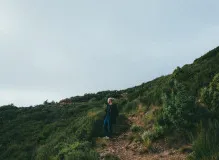
Hiking is a recreational activity that involves walking on clearly marked trails or paths, usually through scenic natural areas such as forests, mountains, or countryside. It is generally considered a day trip or a shorter excursion, typically lasting for a few hours or a full day. Hiking is suitable for individuals of varying fitness levels and can be enjoyed by families, friends, or solo enthusiasts.
Exploring Trekking
Trekking, on the other hand, is a more challenging and immersive outdoor activity that goes beyond the boundaries of hiking. It entails multi-day expeditions, often involving remote and rugged terrains such as mountains, deserts, or forests. Unlike hiking, trekking requires carrying heavier backpacks with essential supplies, including camping gear and provisions for extended periods. Trekking pushes the limits of physical endurance and demands a certain level of fitness and mental preparedness.
Comparing Hiking and Trekking: Key Differences
To better understand the differences between hiking and trekking, let's take a closer look at some key factors:
| Factors | Hiking | Trekking |
|---|---|---|
| Duration | One day or few hours | Multiple days |
| Terrain | Defined trails or paths | Remote and rugged terrains |
| Fitness Level | Suitable for various fitness levels | Demands higher fitness levels |
| Gear | Light backpack with essentials | Heavier backpack with camping gear |
| Experience | Beginner-friendly | Requires wilderness experience |
Which Adventure is Right for You?
Now that you have a better understanding of the differences, it's essential to assess your preferences, fitness level, and available time before choosing between hiking and trekking. If you're a beginner or prefer shorter excursions, hiking provides an excellent opportunity to explore nature while enjoying a moderate level of physical activity. On the other hand, if you seek a more strenuous and immersive experience, trekking offers the chance to challenge yourself, discover remote landscapes, and embrace the beauty of solitude in the wilderness.
Conclusion:
In this blog post, we have explored the differences between hiking and trekking, from their durations and terrains to the fitness levels required and the gear involved. Understanding these distinctions will enable you to make an informed decision when planning your next outdoor adventure. Whether you choose to embark on a hiking trip or a challenging trek, the key is to embrace the beauty of nature, push your limits, and create unforgettable memories in the great outdoors.
Remember, both hiking and trekking offer unique opportunities to connect with nature, exercise, and rejuvenate your soul. So, pack your bags, put on your hiking boots or trekking shoes, and embark on an incredible journey that aligns with your passion for exploration and adventure!
Introduction
🌄 Exploring the World of Outdoor Adventure 🏞️
Are you ready to embark on an exciting journey into the great outdoors? Whether you're a nature enthusiast, fitness junkie, or someone seeking a break from the hustle and bustle of daily life, outdoor activities like hiking and trekking offer the perfect escape. 🥾 In this blog post, we will dive into the fascinating world of outdoor adventure, focusing on the key differences between hiking 🌳 and trekking ⛰️. So grab your backpack and get ready to discover the wonders that await you on the trails and beyond! 🌟
Understanding Hiking 🌳
Hiking, also known as trekking, is a popular outdoor recreational activity that involves walking on well-marked trails or paths, typically through beautiful natural landscapes such as forests, mountains, or countryside. 🗺️ It is often considered a day trip or a shorter excursion, lasting several hours or even a full day. Hiking is a great way to immerse yourself in nature, breathe in fresh air, and enjoy the serenity of the surroundings. 🌿 No matter your fitness level or age, hiking provides an opportunity to embrace the beauty of the outdoors and reconnect with the natural world. 🌻
Exploring Trekking ⛰️
Trekking takes hiking to a whole new level, offering a truly immersive and adventurous experience. Unlike hiking, trekking involves multi-day expeditions that take you into remote and rugged terrains. The landscapes can range from towering mountains 🏔️ to expansive deserts 🏜️ and dense forests 🌳, testing your physical endurance and mental resilience. Trekking goes beyond the boundaries of hiking, requiring you to carry heavier backpacks with essential supplies, including camping gear and provisions for extended periods. 💼 It demands higher fitness levels and a degree of wilderness experience, making it ideal for those seeking a thrilling challenge and a deeper connection with nature. 🌌
Comparing Hiking and Trekking: Key Differences ⚖️
To help you better understand the nuances between hiking and trekking, let's dive into a side-by-side comparison:
| Factors | Hiking | Trekking |
|---|---|---|
| Duration | One day or a few hours | Multiple days |
| Terrain | Defined trails or paths | Remote and rugged terrains |
| Fitness Level | Suitable for various fitness levels | Demands higher fitness levels |
| Gear | Light backpack with essentials | Heavier backpack with camping gear |
| Experience | Beginner-friendly | Requires wilderness experience |
⏳ Duration: Hiking trips are typically day trips or shorter excursions, while trekking involves multi-day expeditions that can last for several days, or even weeks.
🏜️ Terrain: Hiking generally takes place on well-marked trails or paths, whereas trekking ventures into remote and challenging terrains, such as mountains, deserts, or dense forests.
💪 Fitness Level: Hiking can be enjoyed by individuals of varying fitness levels, making it accessible to beginners and families. Trekking, on the other hand, demands a higher level of physical fitness and endurance due to its challenging nature.
🎒 Gear: Hiking requires a relatively light backpack with essentials like water, snacks, and appropriate clothing. Trekking involves carrying a heavier backpack with additional gear, such as camping equipment, cooking supplies, and provisions for an extended journey.
🌍 Experience: Hiking is a beginner-friendly activity that allows individuals to explore nature and enjoy a moderate level of physical activity. Trekking, on the other hand, requires a certain level of wilderness experience and knowledge to navigate remote areas and handle any potential challenges.
Which Adventure is Right for You? 🤔
Now that you have a clearer understanding of the differences between hiking and trekking, it's time to decide which adventure is right for you.
✨ If you're new to outdoor activities or prefer shorter excursions, hiking is the perfect choice. It allows you to enjoy the beauty of nature, get some exercise, and experience the tranquility of the outdoors, all within a day.
🔥 If you're an experienced adventurer seeking a challenge and a deeper connection with nature, trekking offers an exhilarating experience. It allows you to explore remote and breathtaking landscapes while pushing your physical and mental limits.
Remember, the key to a successful outdoor adventure is being prepared, respecting nature, and enjoying the journey. Whether you choose hiking or trekking, embrace the beauty of the world around you, and create unforgettable memories in the great outdoors. So lace up your boots, pack your gear, and get ready to embark on an incredible adventure that will leave you feeling rejuvenated and inspired. 🌈
Hiking, a popular outdoor activity, involves walking on clearly marked trails or paths, usually in scenic natural areas such as forests, mountains, or countryside. It is a recreational activity suitable for individuals of varying fitness levels and can be enjoyed as a day trip or a shorter excursion lasting a few hours or a full day. Hiking provides the opportunity to connect with nature, immerse oneself in stunning landscapes, and enjoy a moderate level of physical activity. Whether you're a beginner or a seasoned adventurer, hiking offers a great way to explore the outdoors and reap the benefits of being in nature.
Unleashing the Adventurer Within: Understanding the Concept of Trekking
Are you an outdoor enthusiast searching for the perfect adventure? Look no further, as trekking might just be the answer! 🌄 In this section, we will delve deeper into the concept of trekking and explore the unique aspects that set it apart from other outdoor activities like hiking.
Trekking, often referred to as backpacking or hiking with a twist, takes outdoor exploration to the next level. 🚶♂️ Unlike traditional day hikes, trekking is an immersive experience that involves embarking on multi-day expeditions through remote and rugged terrains. Imagine traversing majestic mountains, crossing vast deserts, or venturing deep into dense forests - trekking allows you to immerse yourself in the wonders of nature like never before. 🏞️
But what makes trekking different from hiking? Let's break it down:
-
Duration: While a hike is usually a one-day or few-hour excursion, trekking takes you on an extended journey that can span several days or even weeks. 📆 This allows you to cover more ground, explore diverse landscapes, and truly disconnect from the hustle and bustle of daily life.
-
Terrain: Hiking typically follows well-defined trails or paths, while trekking takes you off the beaten path. You'll find yourself navigating through remote and challenging terrains, where the natural environment is your guide. From steep ascents and descents to rocky trails and river crossings, trekking pushes your physical and mental limits. 🏔️
-
Fitness Level: Hiking is suitable for individuals of varying fitness levels, making it an accessible activity for beginners or families. Trekking, however, demands a higher level of fitness and endurance. It requires carrying heavier backpacks filled with camping gear, provisions, and other essentials needed for extended periods in the wilderness. 💪
-
Experience: While hiking can be enjoyed by anyone, trekking often requires some level of wilderness experience. It involves honing survival skills, navigating with maps or GPS, setting up camps, and coping with the unpredictability of remote environments. It's a journey that tests your resilience and self-reliance. 🌿
To conclude, trekking is not only a physical adventure but also a journey of self-discovery, immersing oneself in the awe-inspiring beauty of nature, and embracing the challenges that come with it. So, if you're ready to unleash the adventurer within, grab your backpack, lace up your boots, and embark on a trekking expedition that will leave you with lifelong memories. Stay tuned for our next section, where we will explore the world of hiking and its unique charms. 👣🌍
Hiking vs. Trekking: Key Differences in Terrain, Duration, and Difficulty
When it comes to outdoor adventures, hiking and trekking offer unique experiences. While these two activities share similarities, understanding their key differences is crucial in choosing the right adventure for you. Let's explore the contrasting terrains, durations, and difficulties of hiking and trekking in more detail.
Terrain: 🏔
Hiking typically takes place on well-marked trails or paths, often found in scenic natural areas such as forests, mountains, or countryside. These trails provide a clear route for hikers, making it easier to navigate through the terrain. On the other hand, trekking ventures into more remote and rugged environments, where hikers must navigate untamed terrains without clearly marked paths. Trekkers may encounter rocky slopes, dense forests, river crossings, or even high-altitude conditions.
Duration: ⏰
Hiking is usually a day trip or a shorter excursion, lasting anywhere from a few hours to a full day. It's a great option for those seeking a quick nature getaway or beginners looking to explore the outdoors without committing to extended periods. On the other hand, trekking involves multi-day expeditions, lasting several days or even weeks. Trekkers tackle longer distances and often spend nights camping in the wilderness, allowing for a more immersive experience and the opportunity to cover more ground.
Difficulty: 💪
In terms of difficulty, hiking is generally suitable for individuals of various fitness levels. Trails can be chosen based on their level of difficulty, allowing hikers to select options that match their abilities. Hiking can be enjoyed by families, friends, or solo adventurers, offering a moderate level of physical activity. On the contrary, trekking demands a higher level of fitness and endurance. With longer distances, heavier backpacks, and more challenging terrains, trekking requires a certain level of physical preparedness. Wilderness experience and navigation skills are also important, as trekkers may encounter unpredictable conditions and must be self-reliant.
Choosing the Right Adventure
Whether you prefer the ease and shorter duration of hiking or crave the challenges and extended immersion of trekking, both activities offer unique opportunities to connect with nature and explore the great outdoors. Consider your fitness level, available time, and adventure goals when deciding between hiking and trekking. Remember to properly prepare for your chosen activity, including packing appropriate gear, staying hydrated, and respecting the environment.
By understanding the differences in terrain, duration, and difficulty, you can embark on your next outdoor adventure with confidence. So lace up your hiking boots or tighten the straps on your backpack, and get ready to experience the wonders of nature in your own unique way. Happy hiking or trekking! 🥾🏞️
Packing Essentials: Gear and Equipment for Hiking and Trekking
When it comes to hiking and trekking, having the right gear and equipment is crucial for a successful and safe adventure. While there are some similarities in the gear needed for both activities, trekking requires a more comprehensive set of supplies due to the longer durations and rugged terrains involved. Let's explore the essential gear and equipment you should consider packing for both hiking and trekking.
1. Footwear: No matter if you're hiking or trekking, having appropriate footwear is key to ensure comfort and prevent injuries. Opt for sturdy and supportive hiking boots or shoes with good traction. High-quality socks that provide cushioning and moisture-wicking properties are also a must.
2. Clothing: Dressing in layers is essential for both hiking and trekking to adapt to changing weather conditions. Lightweight and moisture-wicking clothing, such as quick-drying shirts, pants, and shorts, are recommended. Don't forget to pack a waterproof and breathable jacket or rain gear to stay protected from unexpected showers.
3. Backpack: For hiking, a lightweight daypack with ample storage is usually sufficient to carry essentials such as water, snacks, extra clothing layers, a first aid kit, and navigation tools like a map and compass. When trekking, a larger backpack with a capacity of 40 liters or more is necessary to accommodate camping gear, cooking equipment, and food supplies for multiple days.
4. Camping Gear: When it comes to trekking, camping gear is a vital part of the equipment list. This includes a tent, sleeping bag, sleeping pad, and cooking utensils. Look for lightweight and compact options to minimize the load on your backpack.
5. Navigation and Safety Equipment: Both hiking and trekking require the ability to navigate and stay safe in the wilderness. Carry a reliable compass and map, and consider using a GPS device or smartphone app as backups. Other important items include a headlamp or flashlight, a multi-tool, a whistle, a first aid kit, and a means of communication such as a mobile phone or a satellite device for emergencies.
6. Food and Water: Adequate hydration and nutrition are crucial for both hiking and trekking. Carry enough water and consider using a hydration reservoir or water purification tablets for longer treks. Pack lightweight and calorie-dense food options such as energy bars, trail mix, and freeze-dried meals to sustain your energy levels throughout your adventure.
Remember, the gear and equipment you choose should be tailored to the specific demands of your hiking or trekking experience. Consider the duration, terrain, weather conditions, and your own preferences when assembling your packing list. By having the right gear and equipment, you'll be well-prepared for a memorable and enjoyable outdoor adventure.
Factors to Consider: Choosing the Right Activity for You
When it comes to outdoor adventures, choosing between hiking and trekking can be a tough decision. However, by considering a few key factors, you can determine which activity is the perfect fit for you. Let's delve into these factors and help you make an informed choice.
Duration:
One of the first factors to consider is the duration of your adventure. If you prefer shorter excursions, where you can explore nature and return home the same day, hiking is the ideal option. Hiking trips typically last for a few hours or a full day, making it a convenient choice for individuals with time constraints. In contrast, trekking involves multi-day expeditions, immersing you in the wilderness for an extended period.
Terrain:
The type of terrain you wish to explore is another crucial factor. Hiking routes usually follow well-defined trails or paths, leading you through scenic natural areas such as forests, mountains, or countryside. These trails are often marked and maintained, providing a relatively easy and enjoyable experience. On the other hand, trekking adventures take you off the beaten path, into remote and rugged terrains. These terrains can include mountains, deserts, or dense forests, offering a more challenging and immersive experience.
Fitness Level:
Consider your fitness level to ensure you select an activity that matches your capabilities. Hiking is suitable for individuals with varying fitness levels, from beginners to advanced hikers. It can be enjoyed by families, friends, or solo adventurers, with the ability to choose trails that align with your fitness level. On the other hand, trekking demands a higher level of fitness and endurance. Carrying heavier backpacks with camping gear for multiple days requires physical stamina and mental preparedness. Prior wilderness experience is often recommended for trekking adventures.
Gear:
The gear required for your outdoor adventure also differs between hiking and trekking. Hiking typically involves carrying a light backpack with essentials such as water, snacks, and appropriate clothing. Depending on the difficulty and duration of the hike, you may need additional gear like a map, compass, or hiking poles. Trekking, however, requires a more comprehensive gear setup. In addition to the essentials, you'll need camping gear such as a tent, sleeping bag, cooking equipment, and food supplies. The gear for trekking can be bulkier and heavier, which needs to be taken into account when planning your adventure.
Experience:
Lastly, consider your level of outdoor experience. Hiking is beginner-friendly, allowing individuals with minimal experience to explore and enjoy nature. With marked trails and easily accessible areas, hiking is an excellent way to introduce yourself to outdoor adventures. In contrast, trekking requires a higher level of experience and self-sufficiency. Navigating through remote landscapes, dealing with unpredictable weather conditions, and camping in the wilderness demand prior experience and knowledge.
Making Your Decision
By considering the factors mentioned above, you can make a more informed decision about whether hiking or trekking is the right activity for you. Remember to assess your available time, fitness level, and comfort in rugged terrains. If you're a beginner or prefer shorter excursions, hiking offers a fantastic way to connect with nature. On the other hand, if you have the necessary experience and are seeking a more immersive and challenging adventure, trekking allows you to push your limits and explore remote landscapes.
No matter which activity you choose, remember to prioritize safety, respect the environment, and enjoy the wonders of the great outdoors. Happy trails!
Embrace the Great Outdoors with Hiking or Trekking
When it comes to immersing oneself in nature and seeking adventure, hiking and trekking are two popular outdoor activities that offer unique experiences. While both activities involve exploring natural landscapes, there are distinct differences that set them apart. Understanding these differences can help you decide whether hiking or trekking is the right choice for your next outdoor escapade.
Hiking: A Day Trip Amidst Nature's Beauty
Hiking is a recreational activity that allows individuals to indulge in a day trip through scenic natural areas. It involves walking on clearly marked trails or paths, offering a moderate level of physical activity suitable for individuals of varying fitness levels. 🏞️
Hiking is an excellent option for beginners or those who prefer shorter excursions. It provides an opportunity to connect with nature, breathe in the fresh air, and witness the picturesque views that surround you. With light backpacks carrying only essential items, hikers can enjoy the beauty of their surroundings without the burden of heavy gear. 🌳
Trekking: Pushing the Boundaries of Adventure
Trekking, on the other hand, takes outdoor exploration to a whole new level. It is a more immersive and challenging activity that typically involves multi-day expeditions through remote and rugged terrains. 🏔️
Unlike hiking, trekking demands higher fitness levels and mental preparedness. It requires carrying heavier backpacks containing camping gear, provisions, and everything necessary to sustain oneself for an extended period. Trekking pushes the limits of physical endurance, but it rewards adventurers with breathtaking vistas, the thrill of conquering difficult terrains, and the satisfaction of challenging oneself. 🏕️
Key Differences between Hiking and Trekking
To better understand the differences between hiking and trekking, let's compare them across various factors:
| Factors | Hiking | Trekking |
|---|---|---|
| Duration | One day or few hours | Multiple days |
| Terrain | Defined trails or paths | Remote and rugged terrains |
| Fitness Level | Suitable for various fitness levels | Demands higher fitness levels |
| Gear | Light backpack with essentials | Heavier backpack with camping gear |
| Experience | Beginner-friendly | Requires wilderness experience |
Choose Your Adventure Wisely
Now that you understand the differences between hiking and trekking, you can make an informed decision based on your preferences, fitness level, and available time. If you seek a moderate outdoor activity or are a beginner, hiking provides the perfect opportunity to connect with nature and enjoy scenic trails. However, if you crave a more challenging and immersive experience, trekking will test your limits and reward you with unparalleled wilderness experiences. 🌄
Ultimately, the goal is to embrace the beauty of the great outdoors, unleash your adventurous spirit, and create unforgettable memories that will last a lifetime. Whether you choose to hike or trek, the journey is yours to embark upon. So pack your bags, lace up your boots, and immerse yourself in the wonders that await you in nature. Happy trails! 🥾🌿
Content You May Be Interested In




 Productivity
 Productivity
 Productivity
 Productivity