For over long years, we have diligently conducted independent research and product testing. When you make a purchase through our links, we may earn a commission.
Hiking 🥾 vs Walking 🚶♂️ vs Trekking 🏔️: Which One Is the Ultimate Outdoor Adventure? 🤔

Created: 2 months ago
12 min Read
Hiking 🥾 vs Walking 🚶♂️ vs Trekking 🏔️: Which One Is the Ultimate Outdoor Adventure? 🤔
Discover the ultimate outdoor adventure activity: Hiking 🥾 vs Walking 🚶♂️ vs Trekking 🏔️! Find out which one suits your style with our comprehensive guide. Get inspired, plan your next trip, and explore the great outdoors with confidence. Don't miss out on the fun! Read our article now and pick your favorite activity.
Introduction to Hiking, Walking, and Trekking 🚶♂️🥾🌲
When it comes to outdoor activities, there are many options to choose from, but hiking, walking, and trekking are among the most popular. While they may seem similar, each activity has its unique characteristics and benefits.
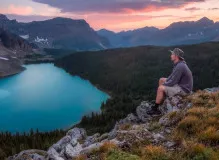
Walking is a low-impact exercise that can be done anywhere, anytime. It is a great way to get some fresh air, clear your mind, and stay active. On the other hand, hiking involves walking on natural trails or paths, usually in the mountains or forests. It offers a more challenging and scenic experience, allowing you to connect with nature and enjoy breathtaking views.
Trekking, on the other hand, is a more intense form of hiking that involves multiple days of walking and camping in remote areas. It requires a high level of physical fitness, endurance, and preparedness, but it also rewards you with a once-in-a-lifetime adventure.
To help you choose the right activity for you, here's a comparison chart:
| Activity | Intensity | Duration | Terrain | Equipment |
|---|---|---|---|---|
| Walking | Low | Any | Any | Comfortable shoes, water bottle |
| Hiking | Medium | Few hours to a day | Natural trails | Sturdy shoes, backpack, water, snacks |
| Trekking | High | Multiple days | Remote, challenging terrain | Hiking boots, camping gear, food, water |
Whether you're a beginner or an experienced outdoor enthusiast, hiking, walking, and trekking offer a world of discovery and adventure. If you're interested in learning more, here are some helpful resources:
Definition and Characteristics of Hiking 🥾
Hiking is a popular outdoor activity that involves walking in natural environments, such as forests, hills, and mountains. It is a great way to enjoy the beauty of nature, get some exercise, and relax. Hiking is different from other forms of walking, such as strolling or walking for fitness, as it involves traveling on unpaved trails and challenging terrains.
Hiking has several characteristics that make it unique from other outdoor activities. Firstly, it is an excellent way to connect with nature and explore the beauty of different landscapes. Hikers get to see things that they wouldn't usually notice while traveling by car or public transport.
Secondly, hiking requires some physical endurance and mental strength since the trails can be long and challenging. However, hikers can tailor their experience to match their level of fitness by choosing trails that suit them.
Thirdly, hiking can be both a solitary and social activity. Some hikers prefer to hike alone, taking time to reflect and enjoy the peace and tranquility of nature, while others like to hike in groups and make new friends.
If you are planning to go hiking, it is essential to prepare yourself adequately by choosing the right trail, wearing appropriate clothing and footwear, carrying water and food, and being aware of the potential dangers. With proper planning and preparation, hiking can be a fun, rewarding, and unforgettable experience.
Definition and Characteristics of Walking 🚶♂️
Walking is a physical activity that involves moving from one place to another by putting one foot in front of the other. It is a low-impact form of exercise that requires minimal equipment, making it an accessible activity for people of all ages. One of the most significant characteristics of walking is that it can be done at varying speeds and intensities depending on an individual's fitness level and goals.
In comparison to other forms of exercise, walking has several advantages. For one, it is easy on the joints, making it an excellent option for those with joint pain or injuries. Additionally, walking does not require expensive gym memberships or equipment, and it can be done almost anywhere, making it a convenient exercise option for those with a busy lifestyle.
Walking has also been linked to several health benefits. Studies have found that regular walking can help to improve cardiovascular health, lower blood pressure, and even reduce the risk of chronic diseases such as diabetes and certain types of cancer. Furthermore, going for a walk can have mental health benefits such as reducing stress and anxiety.
In conclusion, walking is an effective and accessible form of exercise that offers numerous benefits for physical and mental health. Whether you are looking to improve your fitness level, manage a condition, or reduce stress, going for a walk is a simple and effective way to do so.
Definition and Characteristics of Trekking 🏔️
Trekking is the activity of walking and hiking in remote areas, typically over multiple days, with the goal of experiencing nature and outdoor adventure. It is a popular form of physical exercise that requires endurance and mental toughness. Unlike regular hiking, trekking usually involves carrying a backpack or a duffel bag containing food, water, and other necessities for the trip.
One of the main characteristics of trekking is the sense of adventure that comes with exploring remote areas that are not easily accessible by road. It allows individuals to connect with nature, experience different cultures, and challenge themselves physically and mentally. Trekking also helps people to develop their problem-solving skills, as they have to navigate through rugged terrain and unpredictable weather conditions.
Another characteristic of trekking is the importance of conservation and sustainability. Trekking routes often pass through fragile ecosystems that require careful preservation. Responsible trekking involves minimizing the impact on the environment by following the Leave No Trace principles. This includes packing out all trash, avoiding shortcuts, and staying on designated trails.
In comparison to other outdoor activities such as camping and mountaineering, trekking offers a unique combination of physical challenge, cultural immersion, and environmental awareness. Whether you're a seasoned trekker or just starting out, it's important to prepare thoroughly and respect the natural environment to make the most of your adventure.
Differences Between Hiking, Walking, and Trekking
When it comes to exploring the great outdoors, many people mistakenly use the terms hiking, walking, and trekking interchangeably. However, each activity offers a unique experience and requires different levels of skill and preparation.
Walking
Walking is a low-impact activity that can be enjoyed by people of all ages and fitness levels. It typically involves shorter distances on flat terrain and can be done in urban or rural settings. Walking is a great way to get some fresh air, clear your mind, and enjoy low-impact exercise. 🚶
Hiking
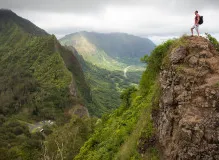
Hiking involves more rigorous physical activity than walking and is typically done on trails or in natural settings such as mountains or forests. Hiking often requires skill and preparation, including proper footwear, clothing, and gear. Hiking can range from easy to strenuous, depending on the terrain and length of the trail. 🥾
Trekking
Trekking involves multi-day hikes through rugged terrain, often in remote areas. Trekking generally requires more preparation, including a higher level of fitness and advanced gear such as tents, sleeping bags, and cooking equipment. Trekking often offers a deeper connection to nature and can provide a challenging and rewarding experience for experienced hikers. 🌄
In summary, walking is a casual, low-impact activity suitable for all, while hiking and trekking offer more challenging and rewarding experiences for those seeking a deeper connection with nature. Whether you're a casual walker or an experienced trekker, getting out into nature is a great way to stay active and explore the world around you.
Check out these references for more information on hiking, walking, and trekking:
Benefits of Hiking for Physical and Mental Health 🥾
Hiking is beneficial for both physical and mental health. It is an outdoor activity that offers endless opportunities to explore nature, have fun, and stay fit. Here are some of the benefits of hiking:
Physical Benefits:
-
Improves Cardiovascular Health: Hiking can help reduce the risk of heart disease by improving cardiovascular health. It is a low-impact exercise that can improve blood pressure, cholesterol levels, and reduce the risk of diabetes.
-
Helps with Weight Loss: Hiking is an effective way to burn calories and helps in weight loss. It can burn up to 500 calories per hour, depending on the terrain.
-
Develops Muscular Strength: Hiking involves walking uphill, downhill, and uneven terrain. It strengthens the muscles in the legs, hips, and core, which can help improve overall body strength.
Mental Health Benefits:
-
Reduces Stress: Hiking in nature can help reduce stress and anxiety. It has a calming effect on the mind and helps to clear the thoughts.
-
Improves Mood: Hiking releases endorphins, which are known as feel-good hormones. It can improve overall mood and provide a sense of happiness.
-
Boosts Cognitive Function: Hiking can improve cognitive function by boosting creativity, memory, and problem-solving skills.
So, next time you're looking for an activity that provides both physical and mental health benefits, put on your hiking boots and hit the trails! 🌲🌳🌻
Benefits of Walking 🚶♂️ for Physical and Mental Health
Walking is one of the simplest and easiest forms of exercise available to us, yet it is often overlooked. The truth is that walking has countless benefits for both our physical and mental health.
Physical Health Benefits of Walking:
- Helps to maintain a healthy weight
- Enhances cardiovascular health
- Strengthens bones and muscles
- Reduces the risk of chronic diseases, such as diabetes and high blood pressure
Walking is also a low-impact exercise, making it accessible for people of all ages and fitness levels.
Mental Health Benefits of Walking:
- Boosts mood and reduces stress and anxiety
- Enhances cognitive function and brain health
- Increases energy levels
- Promotes better sleep quality
Additionally, getting outdoors and spending time in nature can have positive effects on mental health as well.
In comparison to other forms of exercise, such as running or weightlifting, walking may seem less intense. However, incorporating regular walks into your routine can have significant benefits for both your physical and mental health.
So next time you're looking to get a quick workout or destress after a long day, grab your sneakers and go for a walk. Your body and mind will thank you.
Benefits of Trekking 🏔️ for Physical and Mental Health
Trekking, also known as hiking, is an adventure activity that involves walking in natural surroundings. It is an excellent way to stay healthy both mentally and physically. Trekking provides many benefits such as improving cardiovascular health, increasing muscle strength, reducing stress levels, and boosting self-esteem.
Here is a comparison chart that shows the benefits of trekking on both physical and mental health:
| Physical Health | Mental Health |
|---|---|
| Improves cardiovascular health | Reduces stress levels |
| Increases muscle strength | Boosts self-esteem |
| Helps with weight loss | Combats depression |
| Lowers blood pressure | Improves mood and overall well-being |
| Boosts immune system | Increases resilience and coping mechanisms to stress |
Trekking also allows one to disconnect from the fast-paced urban lifestyle and enjoy the tranquility of nature, improving overall mental health. It increases mindfulness and self-awareness, reduces anxiety and depression, and enhances creativity. The beauty of nature and breathtaking scenery can also act as a natural stress reliever, helping individuals feel calm and relaxed.
Moreover, trekking helps one build endurance and develop a sense of achievement. It allows individuals to challenge themselves physically and mentally, thereby improving their confidence and self-esteem.
In conclusion, trekking is an excellent way to improve physical and mental well-being. It is an easy-to-engage-in and cost-effective activity that provides numerous benefits to individuals of all ages. So, grab your hiking boots, pack your bags, and explore nature to experience the rewarding benefits of trekking!
- Physical and psychological health effects of trekking and hiking: A systematic review.
- The benefits of hiking and trekking.
How to Prepare for Hiking, Walking, and Trekking
If you're planning to go on a hiking, walking, or trekking trip soon, it's important to prepare yourself properly to ensure a safe and enjoyable experience. Here are some tips to help you get ready for your next adventure.
Physical Preparation
Hiking, walking, and trekking often involve long hours of physical activity, which can place a strain on your body. Therefore, it's essential to train and condition your body beforehand. Incorporate cardiovascular exercises, such as running or cycling, into your daily routine to improve your endurance. Also, don't forget to incorporate strength training to build your muscles, which can help prevent injuries.
Gear Preparation
Proper gear is vital for any outdoor activity, especially hiking, walking, or trekking. Invest in high-quality gear, such as sturdy and comfortable boots, a well-fitted backpack, and appropriate clothing for the weather. If your trip includes camping, bring a high-quality tent, sleeping bag, and sleeping pad.
Food and Water Preparation
Carrying adequate food and water is crucial for any outdoor activity. Determine how much food and water you will need for your trip and make sure to pack extra to compensate for any unforeseen circumstances. Carrying a water filter or treatment tablets is also recommended in case you need to refill water from a natural source.
Navigation Preparation
Having a map, compass, and a GPS device can aid you in navigating your course during your trip. Make sure to familiarize yourself with the route and check the weather conditions before you start. Don't forget to let someone know your itinerary and expected return time in case of any emergency.
With proper physical preparation, gear, food and water supply, and navigation aid, you can ensure a safe and enjoyable hiking, walking, or trekking trip. Happy trails! 🌲🚶♀️🌄
by REI.
Conclusion: Which is the Ultimate Outdoor Adventure? 🤔
After analyzing the top outdoor activities, it's clear that each sport offers its own unique benefits and thrills. While hiking offers a chance to enjoy nature and get some exercise, rock climbing provides a more exhilarating challenge and a deeper sense of accomplishment. On the other hand, camping allows for a full immersion in the outdoors and a sense of peaceful disconnection from the busy world.
To help better understand the differences between these activities, check out this comparison chart to decide which one is the ultimate adventure for you:
| Activity | Benefits | Challenges |
|---|---|---|
| Hiking | Enjoyment of nature, exercise | Can be physically demanding |
| Rock Climbing | Exhilarating challenge, sense of accomplishment | Requires knowledge and skill, safety concerns |
| Camping | Full immersion in nature, peaceful disconnection | Can be uncomfortable without proper gear or preparation |
In addition to this comparison chart, check out these reference links to help you plan your next outdoor adventure:
Now, with this information and your personal preferences in mind, you can confidently choose the ultimate outdoor adventure for you. Whether it's the peaceful solitude of camping, the sense of accomplishment from rock climbing, or the natural beauty of hiking, there's an outdoor activity out there for everyone to enjoy. So get outside and start exploring! 🌲🧗🏻♀️🏕️
Content You May Be Interested In


 Productivity
 Productivity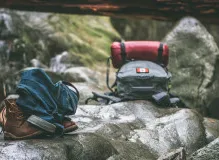

 Productivity